Learn
How a steam engine moves
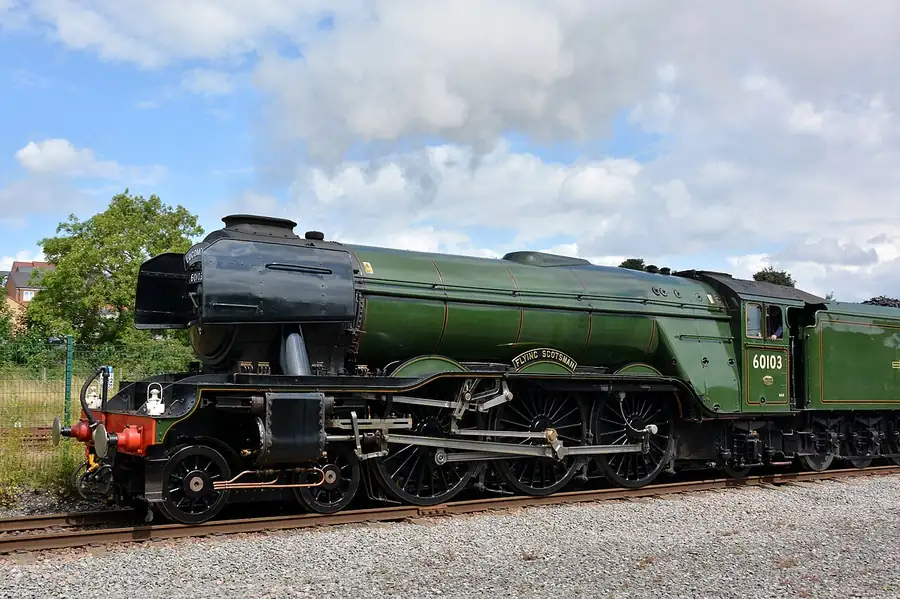
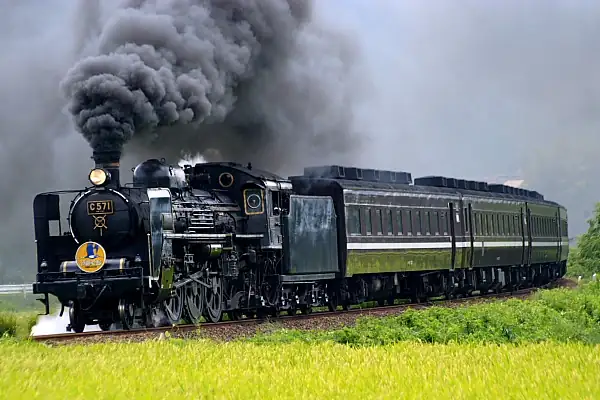
A fire heats water. The steam pushes pistons, and connecting rods turn the driving wheels.
See the explanationChoose one clear path: learn how trains work, watch a real railway video, or find a train game. Nothing starts playing by itself.
Search by a word like “steam,” “quiet,” “build,” or “freight.” Then use the buttons to narrow the list.
A fire heats water. The steam pushes pistons, and connecting rods turn the driving wheels.
See the explanation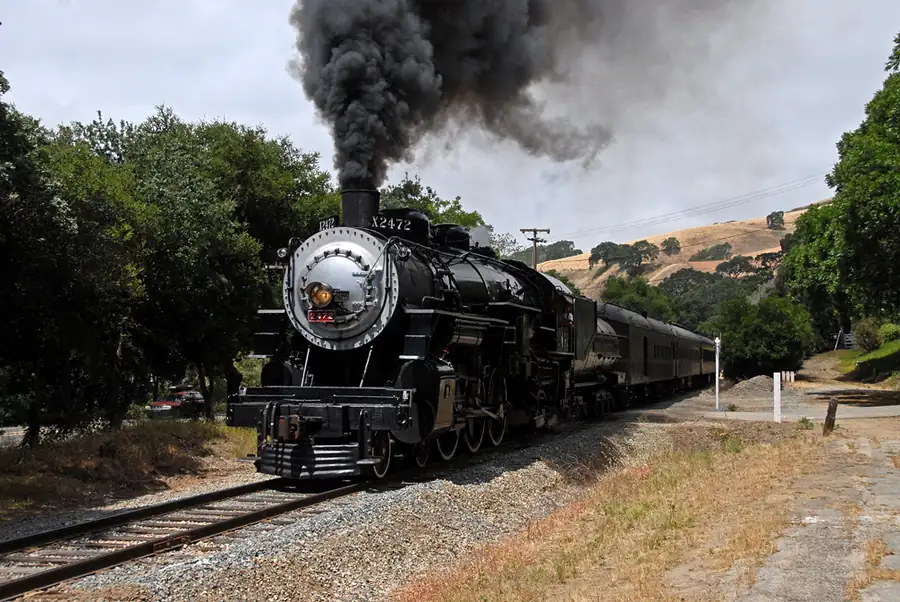
Compare what carries people, what hauls goods, and how different locomotives get their power.
Open the guidePreview the signs, sounds, waiting, crowds, and platform steps before a train trip.
Preview a stationAn animated cutaway shows how steam, pistons, rods, and wheels work together.
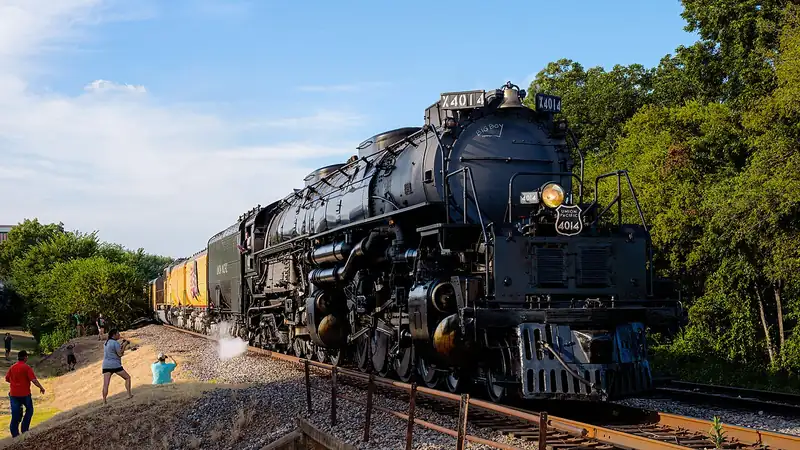
Watch videoKid Crew visits the giant operating steam locomotive, helps with checks, and rides behind it.
Watch videoA downhill ride from Whittaker Station to Cass Station with clickety-clack sounds and music.
Watch videoGiraffe Bear introduces steam power, train sounds, and why steam engines mattered.
Watch videoDrive engines and build tracks at your own pace. The listing says autistic writer Jody O’Neill advised the inclusive design.
Open in Google PlayBuild a railway, combine train parts, ride the track, and solve open-ended missions.
Open in Google PlayLay straight, raised, and forked tracks; add stations and tunnels; then run trains on the route.
Open in Google PlayRace engines on stunt tracks, collect cogwheels, and challenge a friend in two-player mode.
Open in Google PlayCollect track pieces, build a train set, ride freely, and try short cargo, cleaning, and racing games.
Open in Google PlayNo trains matched that search. Try a shorter word, or choose “Everything.”
Travel from 1829 to today, one landmark train at a time. Use the arrows, dots, or your keyboard. The timeline moves only when you choose.
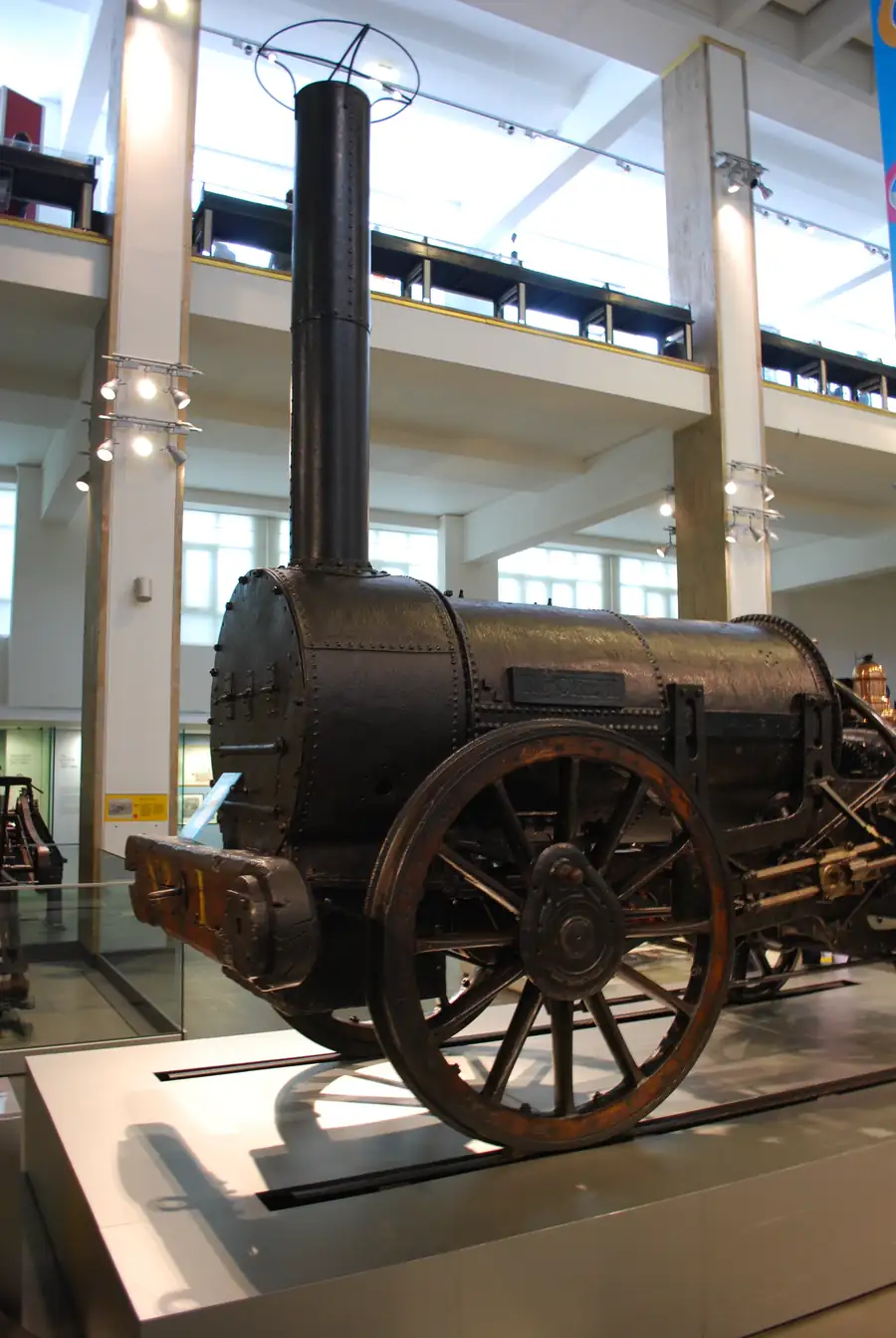 1829
1829
The early railway age
Rocket won the Rainhill Trials, a contest to choose a locomotive for the Liverpool and Manchester Railway. Its multi-tube boiler and blast pipe helped shape the steam locomotives that followed.
A train’s job and power source tell you a lot. Some carry people, some carry freight, and some are the locomotive that pulls everything else.
Fire heats water → steam pushes pistons → rods turn the large driving wheels.
A diesel engine usually powers a generator, and electric traction motors turn the wheels.
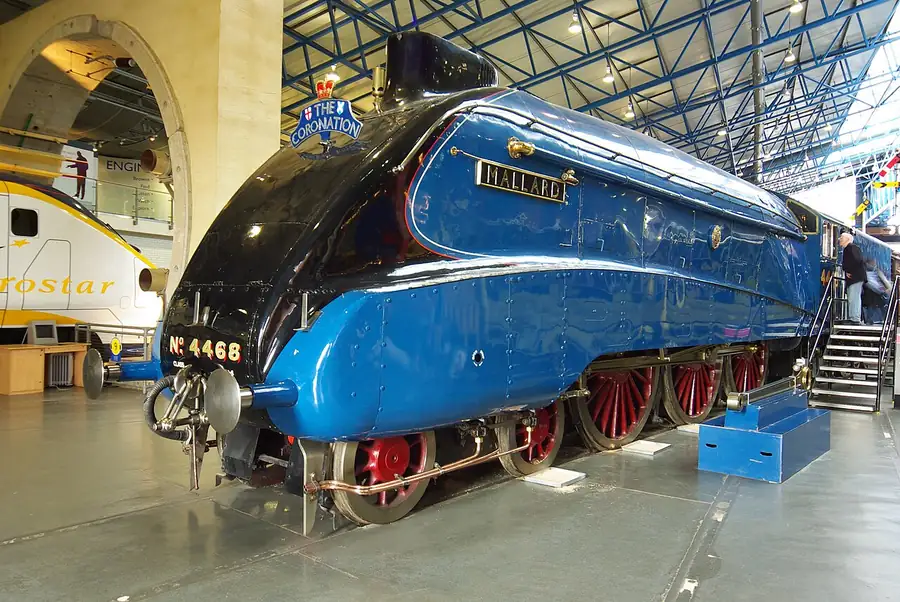
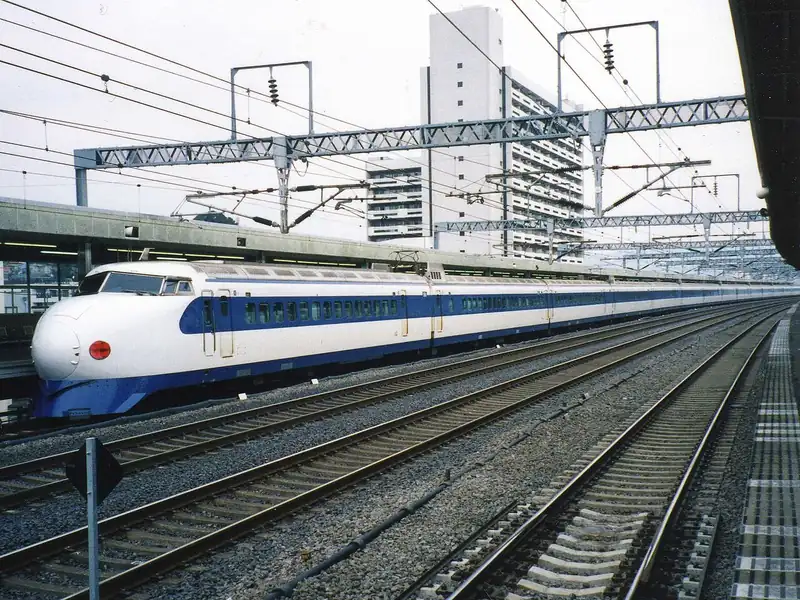
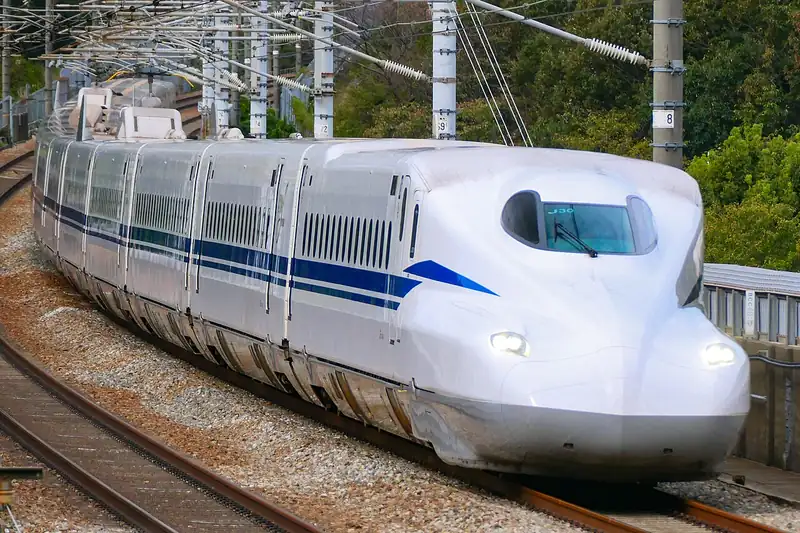
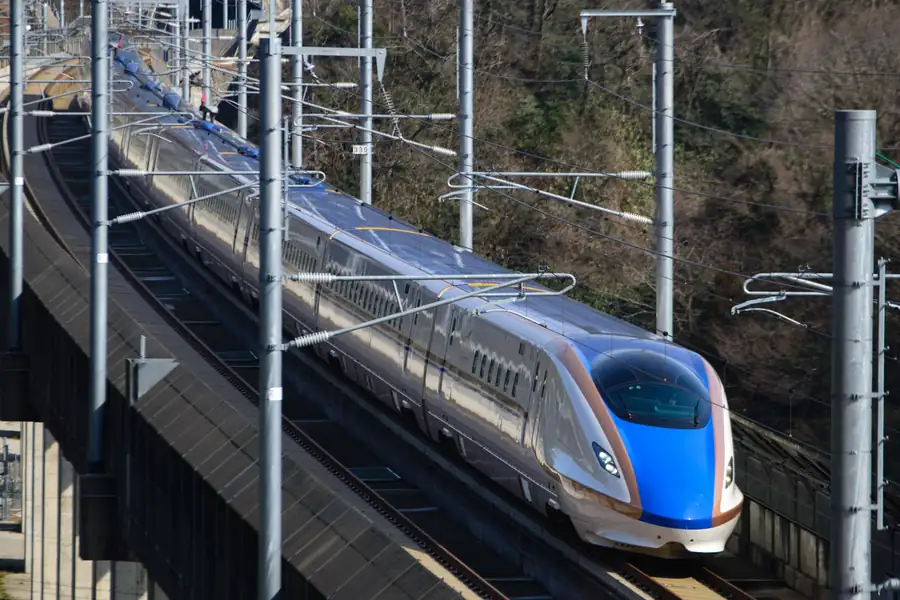
A streamlined passenger train built for fast travel on specially designed routes.
Carries people between stations. It may be a local train, commuter train, or long-distance train.
Moves goods in cars made for containers, grain, liquids, vehicles, and many other loads.
A frequent passenger train for cities. It may run underground, above streets, or at ground level.
The exact order can change, but this is a useful preview.
Real tracks are only for trains. Explore with a grown-up, obey every signal, and use marked crossings.
Safety guidance adapted from Waka Kotahi NZ Transport Agency ↗.
Open one word at a time. The short answer appears right below it.
The powered railway vehicle that pulls or pushes the rest of a train. Some trains have motors spread under several passenger cars instead.
A wheeled frame under a rail vehicle. It can turn slightly so the train follows curves.
The strong connector that joins locomotives and cars together.
The jointed frame on top of an electric train that collects power from an overhead wire.
A trackside or cab display that tells the driver whether to stop, proceed, or follow another instruction.
Moving rails that guide a train from one track to another.
The distance between the inside edges of the two rails.
Train Explorer is a calm, accessible starting point for young train fans and the grown-ups supporting them. It brings together original explainers, sensory previews, safety reminders, and carefully described links to outside resources.
This page does not ask for a name, account, location, or contact details. Search, filters, and Quiet view work only in the open page and are not saved by this site.
Videos and games open on YouTube or Google Play, where those services’ own privacy terms apply. Advertising is provided by Google and is clearly labeled. This page requests non-personalized ads; Google may still use cookies or device identifiers to deliver and limit ads, measure performance, and prevent fraud.
Because this guide is intended for children and their grown-ups, its AdSense setup must remain marked for child-directed treatment. A grown-up can manage cookies in browser or device settings and review ad choices in their Google Account. Where consent is required, Google’s consent message must be completed before ads are served.